
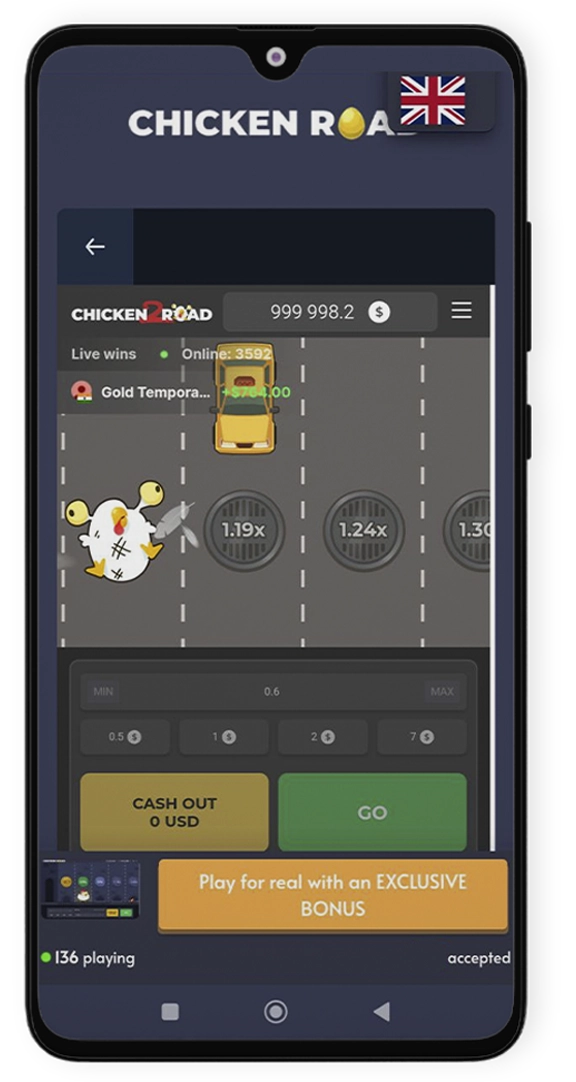
In the world of gaming, the details matter. One often overlooked aspect that dramatically influences player experience is button feedback, which can significantly enhance gameplay dynamics. This article will delve into the Chicken Road game, focusing on the importance of button feedback and how it impacts player interaction. For more insights into the game, you can visit Chicken Road Button Feedback https://chickenroad-game.co.nz/.

The Role of Button Feedback in Gaming
Button feedback refers to the responses a player receives when they interact with game controls. These responses can be visual, auditory, or haptic, and they are crucial for creating an immersive gaming experience. In Chicken Road, effective button feedback not only improves the player’s understanding of their interactions but also enhances their emotional engagement with the game.
Why Button Feedback Matters
The essence of gaming lies in interaction. Players are not just passive observers; they actively engage with the game world. Button feedback serves several important functions:
- Confirmation of Action: When players press a button, they need to feel that their action has been registered. Visual feedback, such as a button changing color or a sound effect playing, confirms that the action was successful.
- Guidance: Feedback can help guide players through the game. For instance, a vibrating controller or an animated response can indicate the right path or the correct action to take.
- Emotional Connection: Engaging feedback can elicit emotional responses from players. A satisfying sound or visual cue can enhance the joy of a successful action, making players more invested in their experience.
Types of Button Feedback
In Chicken Road, developers use various types of feedback to enhance the player experience. These include:
Visual Feedback
Visual feedback includes indicators such as animations and color changes that inform the player about their actions. For example, when a player taps on a button to make their chicken jump, the button might animate to show the action has been executed. This not only confirms the action but also adds a layer of enjoyment as players see their character respond dynamically.
Auditory Feedback
Sound effects are another critical element of feedback. The sounds associated with button presses can enhance the momentum of gameplay and provide immediate responses. For example, a satisfying “pop” sound when a button is clicked reinforces the action, making the interaction feel rewarding.
Haptic Feedback
Haptic feedback involves the physical response of a controller, such as vibration. Though not all games utilize haptic feedback, its inclusion can significantly enhance immersion. In Chicken Road, if a player successfully navigates a challenging sequence, subtle vibrations can affirm their achievement and add to the thrill of the gameplay.
Implementing Effective Button Feedback
To design effective button feedback, developers should consider several key aspects:
- Consistency: Feedback should be consistent throughout the game. Players should receive the same response for similar actions to avoid confusion.
- Lag Time: Feedback must be immediate. A delay between the player’s action and the feedback can lead to frustration and disengagement.
- Feedback Diversity: While consistency is vital, it’s also essential to vary feedback across different actions to maintain player interest and engagement.
- User Testing: Continuous testing with real users can help developers refine feedback mechanisms, ensuring they meet player expectations and enhance engagement.
Impact on Player Experience
In games like Chicken Road, the impact of well-designed button feedback can be profound. It ensures that players feel in control, helps them understand the consequences of their actions, and keeps them motivated to continue playing. Enhanced feedback leads to greater player satisfaction and can improve retention rates, encouraging players to return to the game.
Case Studies and Examples
While Chicken Road stands out for its use of button feedback, many other games also illustrate the impact of this feature. For instance, platformers often rely on responsive button feedback to ensure players can navigate challenging levels without frustration.
Games like “Super Mario” utilize auditory cues effectively; every jump and item collection is accompanied by a sound that makes players feel engaged. Similarly, modern entries in first-person shooters often incorporate haptic feedback to convey the impact of gunfire or explosions, adding to the realism of the experience.

The Future of Button Feedback
As technology advances, the potential for button feedback continues to evolve. Integrating more advanced sensory feedback mechanisms, such as adaptive controllers that can change resistance based on game scenarios, represents the future of interactive gaming.
As developers become more aware of the importance of player experience, the incorporation of innovative feedback mechanisms will likely become a standard element in game design. The aim will be to create even more immersive and engaging experiences for players.
Conclusion
In conclusion, button feedback is a critical component of game design that significantly shapes player experiences. In the context of Chicken Road, developers have successfully leveraged visual, auditory, and haptic feedback to enhance gameplay. As the gaming industry continues to progress, the focus on refining these elements will play a pivotal role in shaping the future of interactive entertainment.