

In the realm of gaming and probabilities, Chicken Road Probability Across Consecutive Lanes https://chickenroadslot.co.nz/ presents a unique case study of how outcomes can unfold in a scenario peppered with random events. The Chicken Road phenomenon provides players with not just a game, but a mathematical model to explore their chances across consecutive trials. This article delves into the intricacies of these probabilities, shedding light on what players can expect and how they can strategize accordingly.
1. Introduction to Probability in Gaming
Probability is the measure of the likelihood of an event occurring. In gaming, understanding probabilities can significantly enhance a player’s experience, providing insights into expected outcomes and strategic decisions. In games such as Chicken Road, players are often faced with repetitive trials where they must evaluate risks and rewards. By comprehending the mathematical underpinnings of these games, players can make informed decisions, ultimately leading to a more enjoyable gaming experience.
2. The Chicken Road Game Mechanics
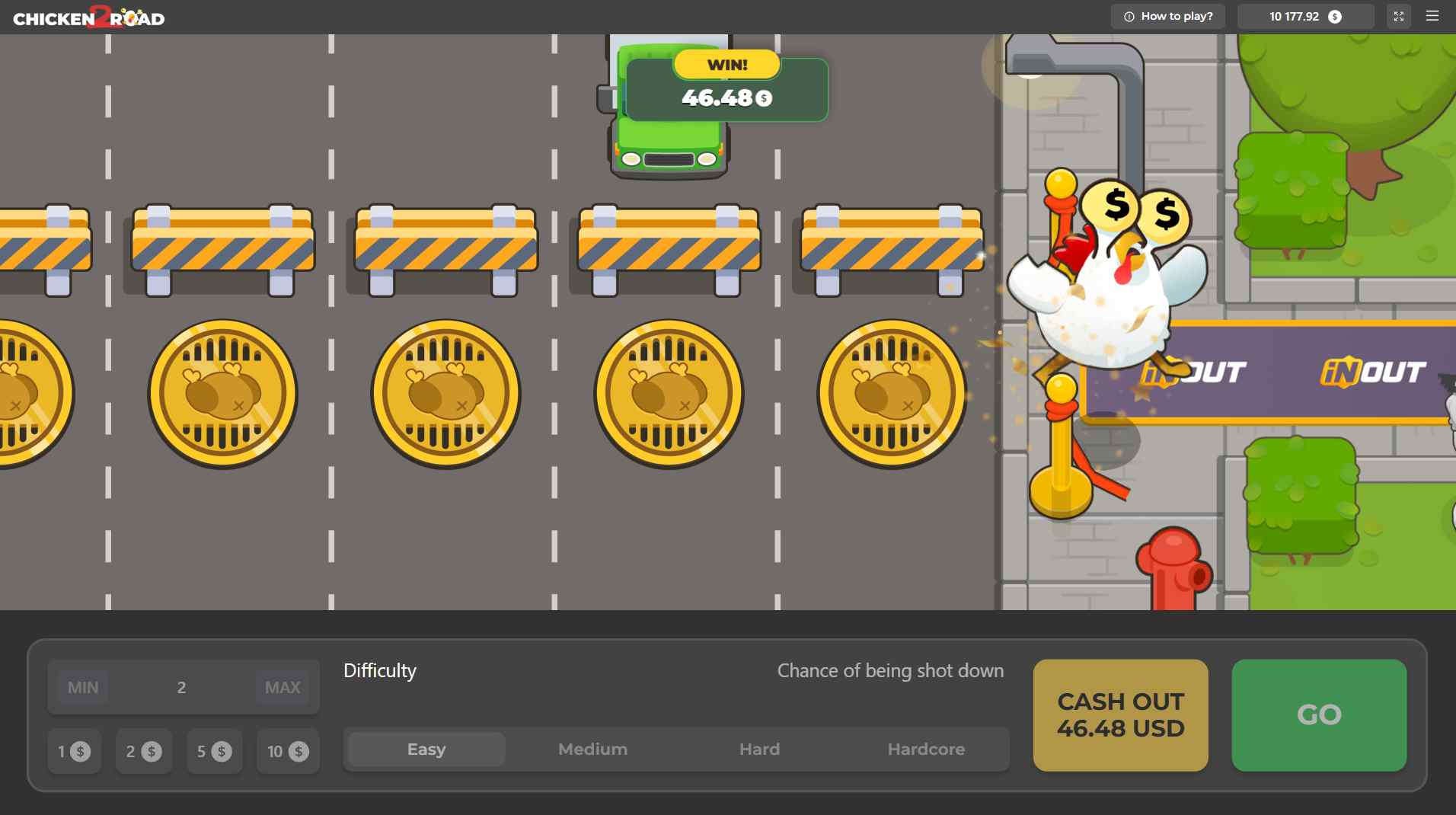
Chicken Road combines elements of chance and choice, offering players a variety of scenarios where decisions influence outcomes. As players navigate through different stages of the game, they face numerous choices that carry varying levels of risk. The central premise is that, at each stage, players can choose paths that either escalate their rewards or lead to potential losses. Understanding the probabilities associated with these choices is crucial for maximizing success.
3. Consecutive Trials Explained
Consecutive trials refer to repeated attempts to achieve a specific outcome. In Chicken Road, this could mean playing multiple rounds with the same strategy or changing tactics based on previous results. The outcomes of these trials can be influenced by numerous factors, including the player’s decisions, the randomness of the game, and even psychological factors such as risk tolerance and expectation. When evaluating consecutive trials, players must recognize that past outcomes do not determine future results due to the independence of each trial.
4. Calculating Probabilities in Chicken Road
To grasp how likely certain outcomes are, it helps to utilize basic probability formulas. The probability of an event occurring can be calculated using the formula:
P(A) = Number of favorable outcomes / Total number of outcomes
In the context of Chicken Road, let’s say there are three choices in a round, and one of those paths leads to a reward. The probability of choosing the rewarding path in one trial would be:
P(reward) = 1 / 3 ≈ 0.33 or 33%
When considering consecutive trials, the overall probability can shift based on decisions made in previous rounds and the strategies employed.
5. Decision Trees in Consecutive Trials
A decision tree is an effective tool for visualizing potential outcomes and strategies across multiple rounds in Chicken Road. Each decision point branches out into potential outcomes, helping players see the cumulative probabilities as they progress through consecutive trials. By mapping out these decisions, players can identify paths that yield higher cumulative probabilities of rewards.
For instance, if a player decides to play conservatively for the first few rounds, every
favorable decision can lead to a compounding effect on the likelihood of obtaining a larger reward later on. Thus, strategic planning becomes a key component of gameplay.
6. Psychological Factors in Probability
Understanding probabilities goes beyond mere calculations; it also involves the players’ psychology. When engaging in consecutive trials, players often fall into cognitive biases that affect their decision-making. For example, the ‘gambler’s fallacy’ is the belief that past events will influence future outcomes in a random sequence. In Chicken Road, players might think that after several losses, a win is “due,” leading them to take undue risks. Recognizing such biases allows players to make more rational decisions.
7. The Role of Luck and Skill
While probability plays a central role in games like Chicken Road, luck and player skill cannot be discounted. Some players may find that their skills in reading situations and anticipating outcomes help them leverage probabilities more effectively than others. Moreover, understanding that every outcome is part of a larger statistical distribution helps players embrace the inherent randomness in gaming.
8. Conclusion
Understanding the probability of outcomes in Chicken Road across consecutive trials can significantly enhance a player’s strategy and overall enjoyment of the game. By applying mathematical principles and recognizing psychological biases, players can navigate the game with greater awareness and improve their chances of success. Every round is an opportunity; discussions of probability and outcomes will keep the gameplay engaging and exciting. Ultimately, the Chicken Road experience serves as a fantastic blend of chance, strategy, and psychological insight, making it an intriguing case study in probability and gaming.